Currently Empty: $0.00

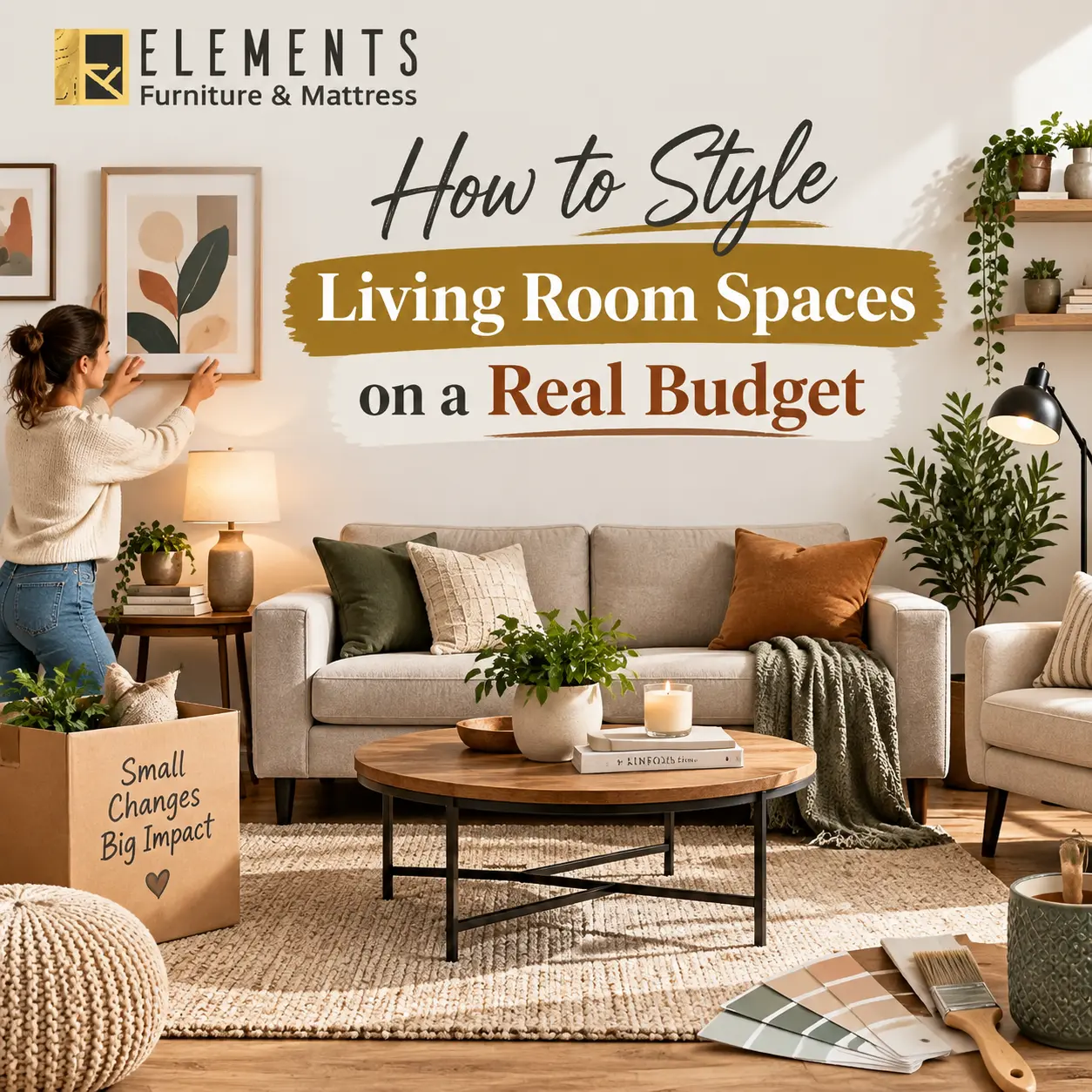
A living room can have a great sofa, a nice rug, and plenty of square footage yet still feel unfinished. The difference is usually not a bigger budget. It is knowing how to style living room spaces so the furniture works together, the layout feels natural, and the room reflects the people who use it every day.
Start with the way you actually live. A family room built for movie nights needs a different setup than a formal space for guests, and a first apartment may need furniture that works harder in less room. Once you have a clear purpose, styling decisions get much easier – and you are less likely to buy pieces that look good online but do not fit your day-to-day routine.
How to Style a Living Room From the Ground Up
The easiest way to create a pulled-together room is to make the largest choices first. Think of your living room as layers: layout, seating, rug, tables, lighting, and finishing details. Choosing accessories before settling the layout often leads to clutter and costly do-overs.
Start with a layout that invites conversation
Place seating around a natural focal point. That might be a television, fireplace, picture window, or a wall you can turn into a gallery display. The goal is simple: people should be able to sit down, talk comfortably, and set a drink nearby without rearranging the room.
Avoid pushing every piece against the wall by default. In a larger room, floating the sofa a few feet forward can create a more welcoming seating zone and help define an open floor plan. In a smaller apartment, placing a compact sofa against the longest wall may be the smarter choice because it preserves a clear walking path.
Leave about 30 to 36 inches for major walkways where possible. Between a sofa and coffee table, aim for roughly 16 to 18 inches. Those measurements are flexible, especially in small spaces, but they prevent a room from feeling either cramped or oddly disconnected.
Choose seating for comfort first, style second
Your sofa sets the tone for the whole room. A neutral upholstered sofa gives you room to change pillows, rugs, and wall decor over time. A bold color or rich leather-look finish can make the seating the statement piece. Neither option is better – it depends on whether you want flexibility or instant visual impact.
For everyday households, durability deserves as much attention as color. Consider performance-friendly fabrics, supportive cushions, and a silhouette that suits your space. A sectional is excellent for families, frequent movie nights, or corners that would otherwise go unused. A sofa paired with accent chairs is often more flexible for smaller rooms or anyone who likes a lighter, more open look.
Do not feel obligated to buy matching seating. Coordinated is more interesting than perfectly matched. Pair a clean-lined sofa with two textured accent chairs, or balance a larger sectional with a swivel chair that can face the conversation area or turn toward the TV.
Anchor the Room With the Right Rug
A rug is one of the fastest ways to make separate furniture pieces feel like one room. It adds warmth underfoot, softens hard flooring, and gives the seating area a clear boundary. The common mistake is choosing a rug that is too small. A tiny rug centered under a coffee table can make even a well-furnished room feel scattered.
In most living rooms, the front legs of the sofa and chairs should sit on the rug. If your budget and space allow, choose a rug large enough for all seating legs to rest on it. For small rooms, a properly sized rug can actually make the space look larger because it creates one defined visual zone instead of several little ones.
Color and pattern should support the room, not compete with it. If the sofa is solid and neutral, a patterned rug can add personality. If your seating already has a strong print or bold hue, choose a quieter rug with texture. Low-pile options are often easier for busy households, while plush rugs bring extra softness to cozy lounging spaces.
Add Tables That Earn Their Place
Coffee tables, end tables, and console tables are practical pieces, not filler. A coffee table gives the room a center and creates a landing spot for remotes, snacks, books, and decor. Choose one about two-thirds the length of your sofa when the layout allows. Round tables are useful around sectionals or in homes with young children because they soften tight traffic areas and have no sharp corners.
Every main seat should have access to a table within reach. That does not mean you need a matching end table beside every chair. A C-table, small drum table, or nesting tables can provide the same convenience with less visual weight.
Storage tables are especially valuable in apartments and family homes. An ottoman with hidden storage can hold blankets and games while doubling as a footrest. A lift-top coffee table can create an easy work or dining surface. These choices help the room stay polished without requiring a separate storage area.
Use Lighting to Make the Room Feel Finished
Overhead lighting alone can make a living room feel flat and harsh. The most comfortable spaces use layers of light at different heights. Start with ceiling lighting for general brightness, then add a floor lamp near a reading chair and a table lamp on a console or end table.
Lighting is also an affordable styling tool. A slim floor lamp can fill an empty corner without adding bulky furniture. Matching table lamps bring balance to a sofa wall, while a sculptural lamp can act like decor even when it is switched off. Warm bulbs tend to make living spaces feel more relaxed than cool, blue-toned bulbs.
If you have limited outlets or a tight budget, prioritize one lamp where your family spends the most time. That single warm pool of light can make evening TV time, reading, and conversation feel noticeably more comfortable.
Build Color and Texture in Easy Layers
A room does not need ten colors to feel designed. Choose a simple palette of two or three main tones, then repeat them in small ways across the room. For example, a warm beige sofa might pair with soft blue pillows, a natural wood coffee table, and black metal lighting. Repeating a color or finish helps the room feel intentional without looking overly coordinated.
Texture matters just as much as color. Mix smooth upholstery with a woven rug, wood accents, ceramic decor, a knit throw, or velvet pillows. These contrasts make neutral rooms feel warm and interesting. They also let you refresh the look seasonally without replacing your big furniture pieces.
Keep pillow quantities realistic. Two to five pillows on a standard sofa usually provide comfort and style without forcing everyone to move a pile before sitting down. Add a throw blanket where it will actually be used, such as the end of a sectional or the arm of a favorite chair.
Style Walls and Surfaces Without Creating Clutter
Empty walls can make a room feel unfinished, but every wall does not need decoration. Give one area the most attention: above the sofa, around the TV, or behind an accent chair. A large framed print creates a clean statement. A grouped gallery wall adds personality. A mirror is a smart option for smaller or darker rooms because it reflects light and adds depth.
For shelves, consoles, and coffee tables, use fewer objects with more presence. Stack a couple of books, add a tray for remotes, and finish with a small vase, candle, or decorative bowl. Vary the heights and shapes so the arrangement feels collected rather than lined up.
Personal items belong in the room, too. Family photos, travel souvenirs, and favorite books make a living room feel lived in. The trick is editing. Display the pieces you enjoy seeing, then give the rest a home in a drawer, basket, or cabinet.
Make Small Living Rooms Work Harder
Small spaces benefit from furniture with visual breathing room. Raised legs, open bases, and slimmer arms can make seating feel less heavy than oversized, boxy pieces. Choose a few hardworking pieces instead of trying to fit every furniture type into the room.
A loveseat with one accent chair may serve a compact room better than a full sofa and two chairs. Nesting tables can expand when guests arrive and tuck away afterward. A storage ottoman can replace both a coffee table and a blanket basket. Vertical elements, such as a tall floor lamp or wall art placed at the right height, draw the eye upward and make the room feel taller.
Before ordering, measure the room, doorways, hallways, and elevator if you live in an apartment building. Check furniture dimensions against painter’s tape on the floor. It is a quick step that saves frustration and helps you shop with confidence.
A well-styled living room should not feel like a showroom where nobody can relax. Choose the pieces that fit your budget, support your routine, and make you happy to come home. With comfortable seating, thoughtful layers, and a few smart accents, you can create a space that looks polished and feels ready for real life.